
What Is Concrete Laitance and How Does It Form?
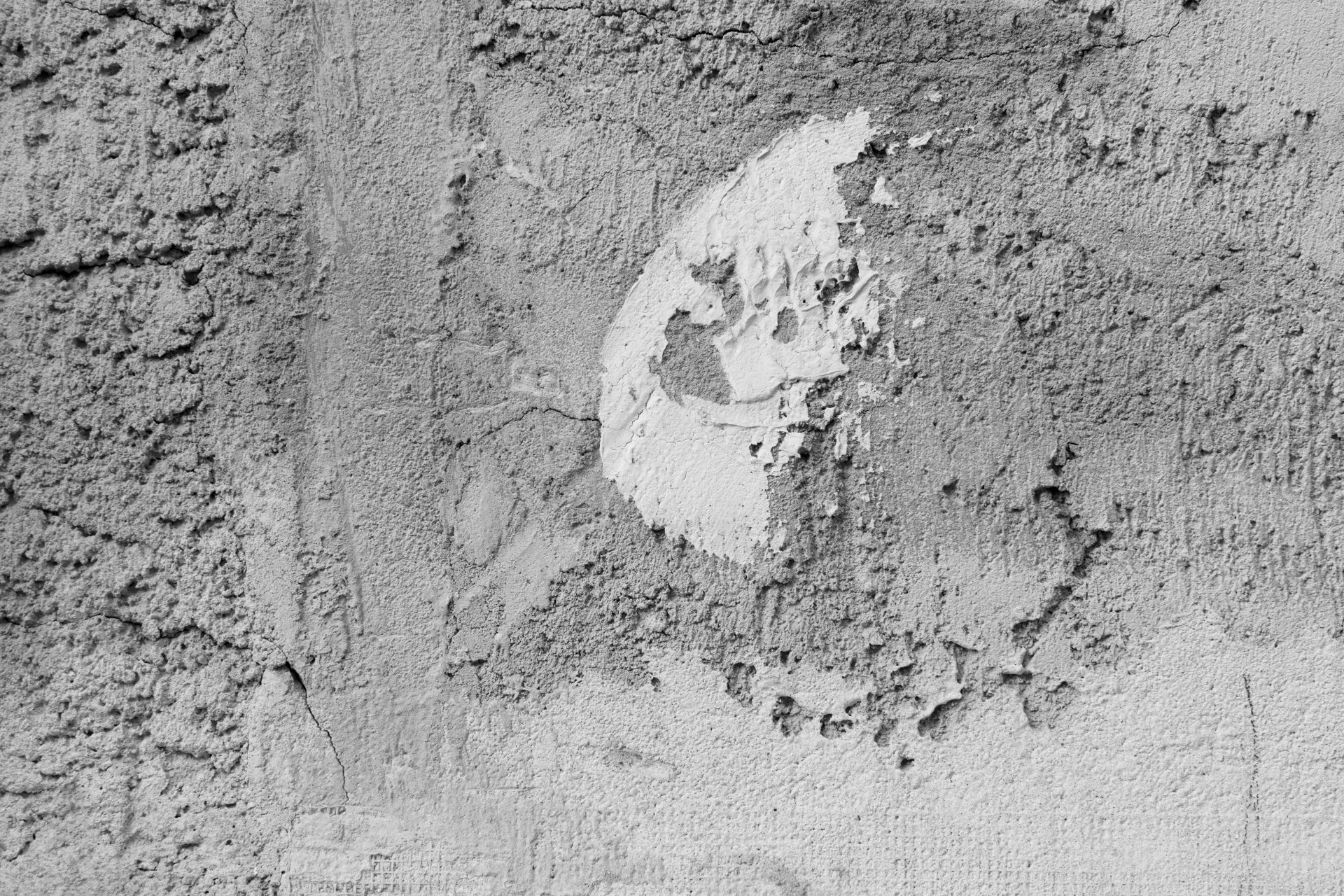
Concrete laitance is the thin, weak layer of cement fines and water that rises to the surface of concrete or screed as it cures. It forms when mixing water works its way upward through the mix and carries the finest, weakest particles with it, leaving a pale, powdery skin sitting on top of the sound concrete underneath. Left in place, it will not bond properly with adhesives, coatings or floor coverings, which is why removing it is one of the first jobs on any floor preparation schedule.
It catches out a lot of self builders and even some contractors because a freshly finished slab or screed can look perfectly smooth and ready to go. The problem only shows up once tiles start lifting, a resin coating blisters, or a polished topping fails to key in. Understanding why laitance forms makes it much easier to spot early and deal with properly.
What Is Concrete Laitance?
Laitance is a layer of hydrated cement and fine aggregate particles, usually pale grey or white, sitting on the surface of a poured floor. It is soft and friable, meaning it can be scraped away with a fingernail or the edge of a screwdriver, and it ranges from a fine dust you can barely see to a crust several millimetres thick depending on how the concrete was mixed, placed and finished.
The same thing happens on flowing screeds, not just traditional poured concrete. Anyone installing a liquid screed or a flowing concrete floor deals with the same weak surface layer once the pour has cured, and it has to come off before any bonded floor covering goes down on top.
How Does Laitance Form?
Bleed Water Does the Damage
Laitance starts with bleeding. As the Concrete Society explains, bleeding happens because of the inability of the solid components of the concrete to hold all of the mixing water, so the excess water rises to the top before the cement paste has stiffened enough to trap it in place. Because water is the lightest part of the mix, it carries the finest, least dense particles of cement and sand up with it as it travels.
Once that bleed water reaches the surface and evaporates, or gets worked back into the concrete during finishing, it leaves behind a concentrated layer of weak cement paste with a much higher water to cement ratio than the floor underneath. That weak layer is laitance.
What Makes It Worse
Several things make bleeding, and therefore laitance, more likely or more severe. An overly wet mix is the biggest culprit, since more mixing water simply means more water available to rise. Over trowelling or finishing the surface too early has the same effect. The Concrete Society notes that if the bleed water is remixed during the finishing of the top surface, a weak top surface will result, which is exactly the mechanism behind laitance and the dusting that often goes with it.
Cold, humid conditions can cause condensation on the surface that gets trowelled straight into the mix, and certain cements, particularly those blended with ground granulated blastfurnace slag, extend the bleeding period because they set more slowly. On outdoor pours, rain hitting the surface before it has cured adds even more water into the mix at exactly the wrong moment. Any of these will leave a thicker, more troublesome layer of laitance to deal with once the floor has gone off.
How to Spot Laitance Before It Causes a Problem
Laitance usually shows up as a pale, dusty or matt patch on an otherwise darker floor, often worst at low points where water pooled during the pour. It will powder under foot traffic and mark easily if you sweep or scuff it, and the simplest test is to scratch the surface with a screwdriver or similar tool. If it scrapes away easily down to a harder, more consistent material underneath, that confirms laitance rather than sound concrete.
Why It Has to Come Off Before You Fit a Floor Covering
Any adhesive, primer, resin coating or polished finish needs to bond to strong, consistent material. Laitance sits between the covering and the structural floor as a weak, powdery interface, so floor coverings applied over it commonly delaminate once the floor is in use, because the bond is only ever as strong as the weakest layer. This applies whether the finish going on top is tiling, a resin system, or a polished concrete topping, all of which rely on a sound, mechanically keyed surface to grip onto.
How Laitance Is Removed
The right method depends on the thickness of the layer, the size of the area and what is going down afterwards. On standard screeds and slabs, it is generally worth allowing four to seven days of curing before removal work starts, giving the floor time to gain enough strength that preparation does not damage the surface underneath.
For most residential and commercial floors, diamond grinding or sanding is the standard approach. Fitted with a triple diamond cup disc and run alongside a high powered extraction unit, a low speed sanding machine will cut back the weak surface layer and leave a clean, mechanically keyed finish, usually within a day for most sized rooms. Larger commercial areas are often better suited to shot blasting, which fires steel shot at the surface to strip laitance quickly across bigger floor plates. Thicker or more stubborn deposits sometimes need scabbling with compressed air tools, and acid etching is generally kept as a last resort for thin laitance on floors where mechanical methods are not practical.
Whichever method is used, the dust produced during grinding and sanding contains respirable crystalline silica, and the HSE is clear that exposure needs to be controlled with on tool extraction, damping down where appropriate, and properly fitted P3 rated masks for anyone working nearby. Sealed dust collection rather than letting it settle around the site is worth insisting on if you are bringing in a contractor for this work.
Concrete Laitance vs Efflorescence
The two are often confused because both leave a pale mark on a concrete surface, but they are different problems with different fixes. Laitance is a mechanical layer of weak cement paste left behind by bleed water during curing, and it needs to be ground or blasted off before you can bond anything to the floor. Efflorescence is a white, crystalline deposit of soluble salts, usually calcium carbonate, that forms later as moisture moves through the concrete and evaporates at the surface, leaving the salts behind. It tends to appear well after the floor has cured and is usually dealt with by brushing or a light acid wash rather than full mechanical removal, and it points to a moisture issue rather than a finishing problem.
Preventing Laitance Before It Starts
Prevention comes down to controlling water and timing. Using the correct water to cement ratio, avoiding on site additions of extra water to make a mix easier to place, and holding off on finishing until bleed water has stopped rising and evaporated all reduce the amount of laitance that forms. Proper curing afterwards, whether with a curing compound or a covering of wet hessian or plastic sheet, produces a stronger, more abrasion resistant surface with far less dusting. This is easier to get right when the pour is being managed by an installer who is controlling mix design and finishing on site rather than leaving it to chance, which is exactly why getting the floor preparation stage right from the outset saves time and cost later on.
If you are planning tiling, a resin floor, or a polished topping over a new screed or slab, it is worth having the surface checked for laitance before any finish goes anywhere near it. Removing it properly the first time is far cheaper than lifting a failed floor covering later and starting again.
FAQs
How do I know if my concrete floor has laitance?
Look for pale, dusty or matt patches, especially at low spots where water would have pooled during the pour. Scratch the surface with a screwdriver. If it scrapes away easily to reveal harder, more consistent material underneath, that is laitance rather than sound concrete.
Is laitance the same as efflorescence?
No. Laitance is a weak layer of cement paste left by bleed water during curing and needs mechanical removal. Efflorescence is a crystalline salt deposit that appears later as moisture evaporates from the surface, and it usually needs only brushing or a light acid wash.
How long should concrete or screed cure before removing laitance?
As a general guide, standard screeds and slabs benefit from four to seven days of curing before laitance removal begins, so the floor has gained enough strength to withstand grinding or sanding without further damage. Skin free or low laitance products are handled differently and are often sanded immediately before floor coverings are applied.
Can I remove laitance myself?
Light laitance on a small area can sometimes be dealt with using a hand held grinder, but the dust produced contains respirable crystalline silica, so proper extraction and a P3 rated mask are essential. For larger areas, or where a covering needs a reliably flat, evenly prepared surface, a professional using diamond grinding or shot blasting equipment with dust extraction will give a more consistent result and a safer working environment.
Does laitance matter if I am installing underfloor heating?
Yes. A screed laid over underfloor heating pipework still develops a weak surface layer as it cures, and any floor finish going on top of it needs the same sound, laitance free surface to bond to. Skipping preparation risks the same delamination problems regardless of what is running underneath the floor.