COVID-19 is a contagious disease caused by the coronavirus SARS-CoV-2. In January 2020, the disease spread worldwide, resulting in the COVID-19 pandemic.
The symptoms of COVID‑19 can vary but often include fever,[7] fatigue, cough, breathing difficulties, loss of smell, and loss of taste.[8][9][10] Symptoms may begin one to fourteen days after exposure to the virus. At least a third of people who are infected do not develop noticeable symptoms.[11][12] Of those who develop symptoms noticeable enough to be classified as patients, most (81%) develop mild to moderate symptoms (up to mild pneumonia), while 14% develop severe symptoms (dyspnea, hypoxia, or more than 50% lung involvement on imaging), and 5% develop critical symptoms (respiratory failure, shock, or multiorgan dysfunction).[13] Older people have a higher risk of developing severe symptoms. Some complications result in death. Some people continue to experience a range of effects (long COVID) for months or years after infection, and damage to organs has been observed.[14] Multi-year studies on the long-term effects are ongoing.[15]
COVID‑19 transmission occurs when infectious particles are breathed in or come into contact with the eyes, nose, or mouth. The risk is highest when people are in close proximity, but small airborne particles containing the virus can remain suspended in the air and travel over longer distances, particularly indoors. Transmission can also occur when people touch their eyes, nose, or mouth after touching surfaces or objects that have been contaminated by the virus. People remain contagious for up to 20 days and can spread the virus even if they do not develop symptoms.[16]
Testing methods for COVID-19 to detect the virus’s nucleic acid include real-time reverse transcription polymerase chain reaction (RT‑PCR),[17][18] transcription-mediated amplification,[17][18][19] and reverse transcription loop-mediated isothermal amplification (RT‑LAMP)[17][18] from a nasopharyngeal swab.[20]
Several COVID-19 vaccines have been approved and distributed in various countries, many of which have initiated mass vaccination campaigns. Other preventive measures include physical or social distancing, quarantining, ventilation of indoor spaces, use of face masks or coverings in public, covering coughs and sneezes, hand washing, and keeping unwashed hands away from the face. While drugs have been developed to inhibit the virus, the primary treatment is still symptomatic, managing the disease through supportive care, isolation, and experimental measures.
As the chill of winter approaches, many of us begin to dream of cosy nights spent indoors. What better way to ensure a warm and inviting atmosphere than by investing in underfloor heating? Experts agree that this modern heating solution offers many benefits, making it an increasingly popular choice for homeowners looking to enhance comfort and efficiency. Let’s explore the wonders of underfloor heating and why it might be the perfect addition to your home this winter.
What is Underfloor Heating?
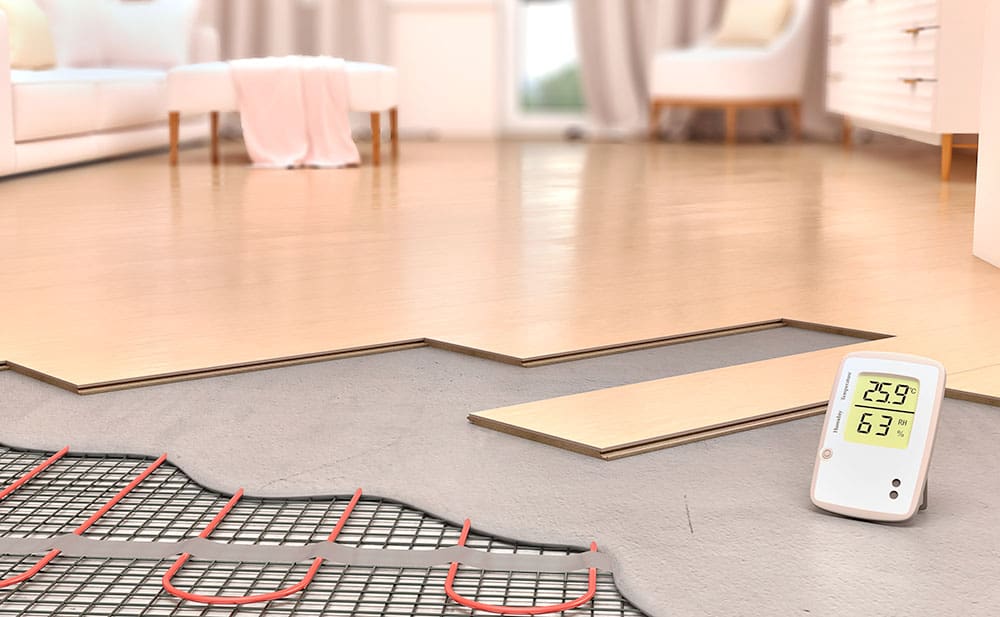
Underfloor heating is an innovative solution that provides consistent warmth throughout your home. It works by installing heating elements beneath your flooring, such as electric cables or water pipes. This method ensures that heat rises evenly from the floor, creating a uniform temperature throughout the room. Unlike traditional radiators, which can create hot and cold spots, underfloor heating offers a gentle and consistent heat that feels wonderfully comforting underfoot. It’s versatile, too, as it can be installed beneath various types of flooring, including tiles, wood, and even carpet. This flexibility makes underfloor heating an excellent choice for any room in your home, from kitchens and bathrooms to living spaces and bedrooms.
Benefits of Underfloor Heating
The advantages of underfloor heating are numerous, offering unmatched comfort, efficiency, and aesthetics. Imagine the luxury of consistent warmth beneath your feet, eliminating those pesky cold spots that traditional radiators often leave behind. Underfloor heating achieves this by distributing heat evenly, creating a wonderfully cosy environment. It’s also incredibly efficient, operating at lower temperatures while effectively heating your home, which can reduce energy consumption and lower utility bills. And let’s not forget the aesthetic appeal—without bulky radiators, you’ll have more freedom to design and arrange your spaces as you wish, creating a more streamlined and inviting home.
Types of Underfloor Heating Systems
Two primary types of underfloor heating systems are to consider: electric and water-based. Electric systems, known as ‘dry’ systems, use electric heating cables or mats installed beneath the floor. These are typically easier to install and are ideal for smaller spaces or renovation projects. They heat up quickly and are suitable for areas like bathrooms or kitchens where instant warmth is desired. Water-based or ‘wet’ systems involve circulating warm water through pipes under the floor. While they require more complex installation, they are often more energy-efficient in the long term, making them an excellent choice for larger spaces or new builds. Both systems offer unique advantages, so you must consider your needs and consult experts to determine the best fit for your home.
Why Hire Professionals?
Proper installation is essential for the effectiveness and longevity of underfloor heating systems. That’s why it’s highly recommended that you enlist the help of professionals. Experts possess the technical know-how to evaluate your home’s unique needs and install the system precisely. They ensure that every element is correctly positioned and connected, minimising the risk of future issues and maximising efficiency.
Professional installers bring a wealth of experience, which means they can troubleshoot potential problems before they become costly repairs. They also stay up-to-date with the latest advancements and safety standards, ensuring your underfloor heating system is state-of-the-art and compliant with regulations.
Moreover, hiring professionals often comes with the added benefit of warranties and guarantees, offering you peace of mind that your investment is protected. This is particularly valuable for larger projects or complex installations, where expertise is beneficial and necessary. By choosing experts, you are investing in a reliable and efficient heating solution and safeguarding your home’s comfort for years to come.
Engaging in a professional service also saves you time and effort. They handle the complexities of the installation process, allowing you to sit back and look forward to enjoying a beautifully warm home.
Making Your Home Cosy and Inviting
Imagine the delight of waking up on a frosty morning and stepping onto a warm, inviting floor. Underfloor heating turns this simple luxury into a daily reality, enhancing your home’s ambience and creating a welcoming atmosphere for you and your guests. The absence of bulky radiators makes your rooms feel more spacious and harmonious, allowing you to design your interiors without constraints. This modern heating solution keeps you physically warm and adds an extra layer of comfort, making your living spaces feel cosier and more inviting.
Whether curling up with a good book or hosting a dinner party, underfloor heating ensures a consistent and pleasant temperature throughout your home. To achieve this seamless integration, hiring professional services is a wise choice. Experts have the skills and experience to install the system efficiently, ensuring optimal performance and longevity. By entrusting the installation to professionals, you can enjoy the benefits of underfloor heating without any hassles, fully immersing yourself in the comfort and warmth of your newly transformed home.
Choosing the Right Service Provider
A dependable provider will offer comprehensive services, including consultation, design, installation, and ongoing maintenance. This holistic approach guarantees that your heating system is customised to meet your home’s needs. When assessing potential providers, consider their level of expertise and experience with underfloor heating systems. An experienced team will be familiar with the latest technologies and best practices, ensuring an efficient and effective installation. By partnering with skilled professionals, you can look forward to a warm, comfortable home expertly fitted with a reliable underfloor heating system.
Contact our experienced team at Express Liquid Creeds today and learn more about how we can help create the perfect space for you this winter and beyond.
In recent years, flowing concrete has become increasingly popular among construction professionals. According to experts, its unique properties offer numerous benefits, making it an ideal choice for various projects. Whether you are a contractor or a homeowner, understanding these advantages can help you make informed decisions for your next build. This blog post will explore the top five advantages of using flowing concrete and why experts recommend it more than ever.
Enhanced Efficiency and Speed
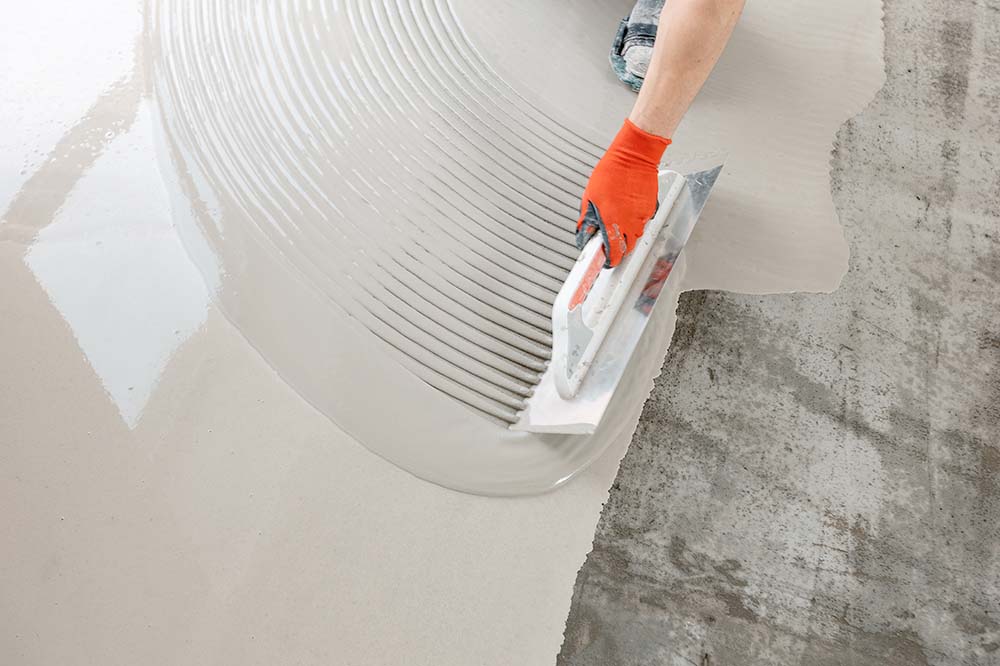
Flowing concrete stands out for its remarkable ability to boost efficiency and speed on construction sites. Unlike traditional concrete, which demands extensive manual labour to pour and level, flowing concrete is self-levelling. This means it spreads effortlessly across surfaces, significantly reducing the time and effort required for installation. With flowing concrete, you can streamline your project timeline and cut labour costs. This efficiency makes it an attractive option for small and large-scale projects, enabling faster completion without compromising quality. The ease of application also means fewer disruptions and a smoother workflow, making it an ideal choice for busy construction environments.
Superior Quality Finish
Flowing concrete offers a superior quality finish that is hard to match with traditional concrete mixes—due to its self-levelling properties, flowing concrete spreads uniformly across surfaces, ensuring a flawless and smooth finish. This minimises the need for extensive surface corrections, saving time and effort. The result is a highly polished and even surface that meets the exacting standards of modern construction projects. Experts often highlight the aesthetic benefits of flowing concrete. Its ability to create a seamless and consistent surface makes it desirable for spaces where visual appeal is a priority, such as high-end residential floors and sophisticated commercial areas. The finish is visually stunning and functionally superior, providing a durable and resilient surface that can withstand heavy foot traffic and wear.
Furthermore, flowing concrete’s exceptional finish enhances the overall quality of the build. The uniformity and smoothness achieved with flowing concrete contribute to a more stable and reliable structure, reducing the likelihood of cracks and other imperfections over time. This high-quality finish is a key reason why many architects and builders prefer flowing concrete for projects that demand precision and excellence. Additionally, the superior finish provided by flowing concrete can significantly enhance the resale value of a property. Potential buyers and clients will likely appreciate the flawless appearance and durability, making it an intelligent investment for builders and property owners. Whether used for residential, commercial, or industrial applications, the exceptional finish of flowing concrete stands out as a significant advantage in today’s competitive construction landscape.
Ideal for Underfloor Heating
Flowing concrete is frequently recognised as the ideal material for underfloor heating systems. Its self-levelling nature seamlessly envelops heating pipes, providing uniform coverage and optimal heat distribution. This not only enhances the efficiency of the underfloor heating system but also contributes to energy savings, as it reduces the need for supplementary heating. Experts underscore that the consistent thickness and coverage achieved with flowing concrete lead to more effective and reliable heating performance. Integrating flowing concrete with underfloor heating systems aligns perfectly with the growing emphasis on energy-efficient and sustainable building practices. Its ability to provide a smooth, even layer over heating elements ensures maximum thermal conductivity, translating to more comfortable living and working environments. This compatibility makes flowing concrete attractive for modern construction projects focused on sustainability and energy conservation. In addition to improving energy efficiency, flowing concrete’s uniform coverage helps protect the heating system components, extending their lifespan and reducing maintenance costs. The ease of application and superior performance make it a preferred option for builders and developers looking to incorporate advanced heating solutions into their projects.
Environmentally Friendly
Experts emphasise that the production process of flowing concrete typically requires less water and energy than traditional concrete mixes. This efficiency reduces the overall environmental impact and aligns with the increasing demand for sustainable building practices. Furthermore, flowing concrete’s ability to improve building thermal efficiency can lead to lower energy consumption over time. This helps reduce greenhouse gas emissions and contributes to a smaller carbon footprint for construction projects. The material’s longevity and durability also mean fewer repairs and replacements, translating to less waste and resource use. By choosing flowing concrete, builders can meet the growing expectations of environmentally conscious clients while promoting sustainable development practices.
Flexibility and Versatility
Flooding concrete can adapt to many requirements, from residential homes to commercial buildings and industrial complexes. Its ability to fill complex shapes and navigate hard-to-reach areas allows for more creative and innovative architectural designs. This versatility ensures that flowing concrete can quickly meet the demands regardless of the project’s unique specifications. One of the standout features of flowing concrete is its adaptability to different project scales and complexities. Whether dealing with intricate flooring designs or extensive industrial slabs, this material can be tailored to suit your needs. Experts appreciate its ability to create seamless transitions in multi-functional spaces, ensuring aesthetic appeal and structural integrity. This makes it an excellent choice for projects where flexibility and precision are paramount.
Additionally, flowing concrete’s compatibility with various construction methods and materials enhances its utility. It can be used with reinforcing materials, insulation layers, and other innovative building technologies, providing a comprehensive solution for modern construction challenges. It effortlessly blends with different components, making it a go-to option for complex builds. The material’s resilience also contributes to its versatility. It can withstand various environmental conditions and loads, making it suitable for indoor and outdoor applications. This durability ensures that projects maintain their quality and performance over time, reducing the need for frequent repairs and maintenance.
In summary, flowing concrete’s flexibility and versatility make it a valuable asset for any construction project. Its ability to adapt to diverse requirements, ease of application, and durability position it as a top choice for builders and developers aiming for high-quality, innovative results.